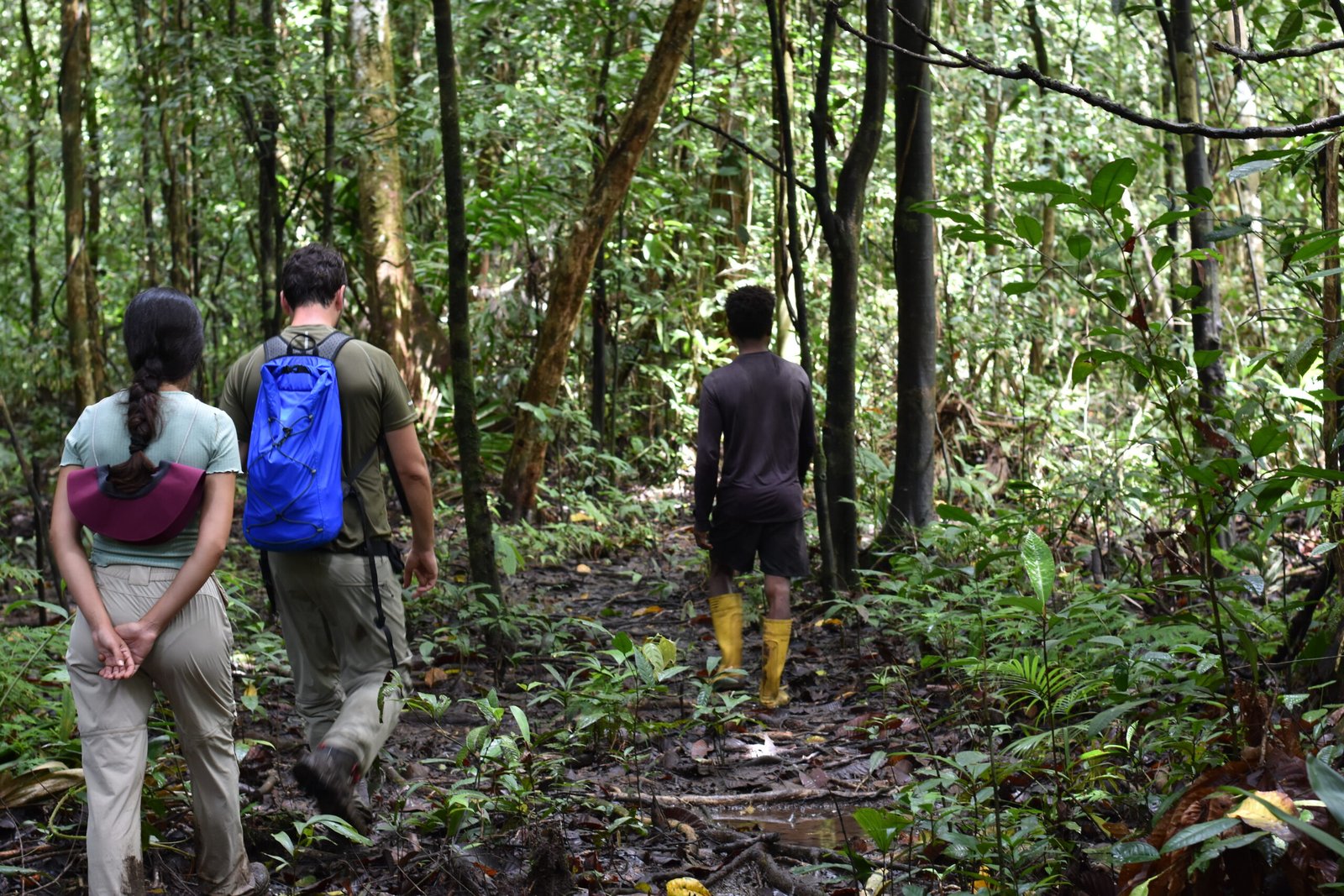
Herping in the heart of Papua is a true expedition into one of the most remote and wildlife-rich regions on Earth. This 10-day adventure is designed for serious reptile and amphibian enthusiasts, combining night walks, river exploration, and island hopping across the Raja Ampat archipelago. Some locations have no homestays available, so we camp close to pristine beaches, surrounded by untouched rainforest. These remote camps also offer easy access to snorkeling in clear waters or relaxing fishing sessions between herping excursions.
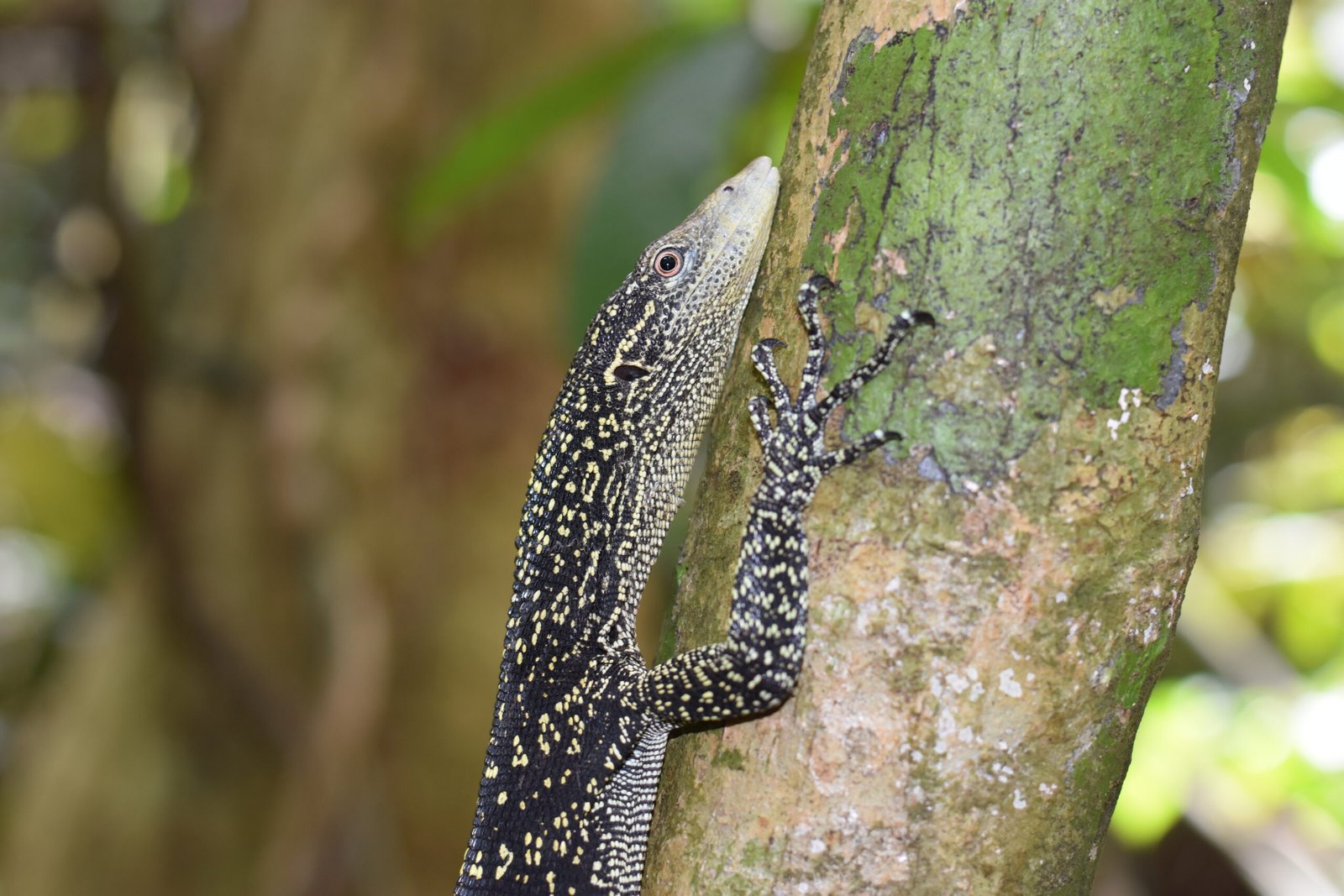
North Waigeo is the first highlight, home to the stunning Varanus boehmei, a striking arboreal monitor lizard found only in this region. Night walks reveal geckos, frogs, and sleeping birds, while daytime exploration offers opportunities to see colorful parrots, hornbills, and other endemic species. The mix of coastal forest and inland jungle creates perfect habitat diversity for both reptiles and birds.
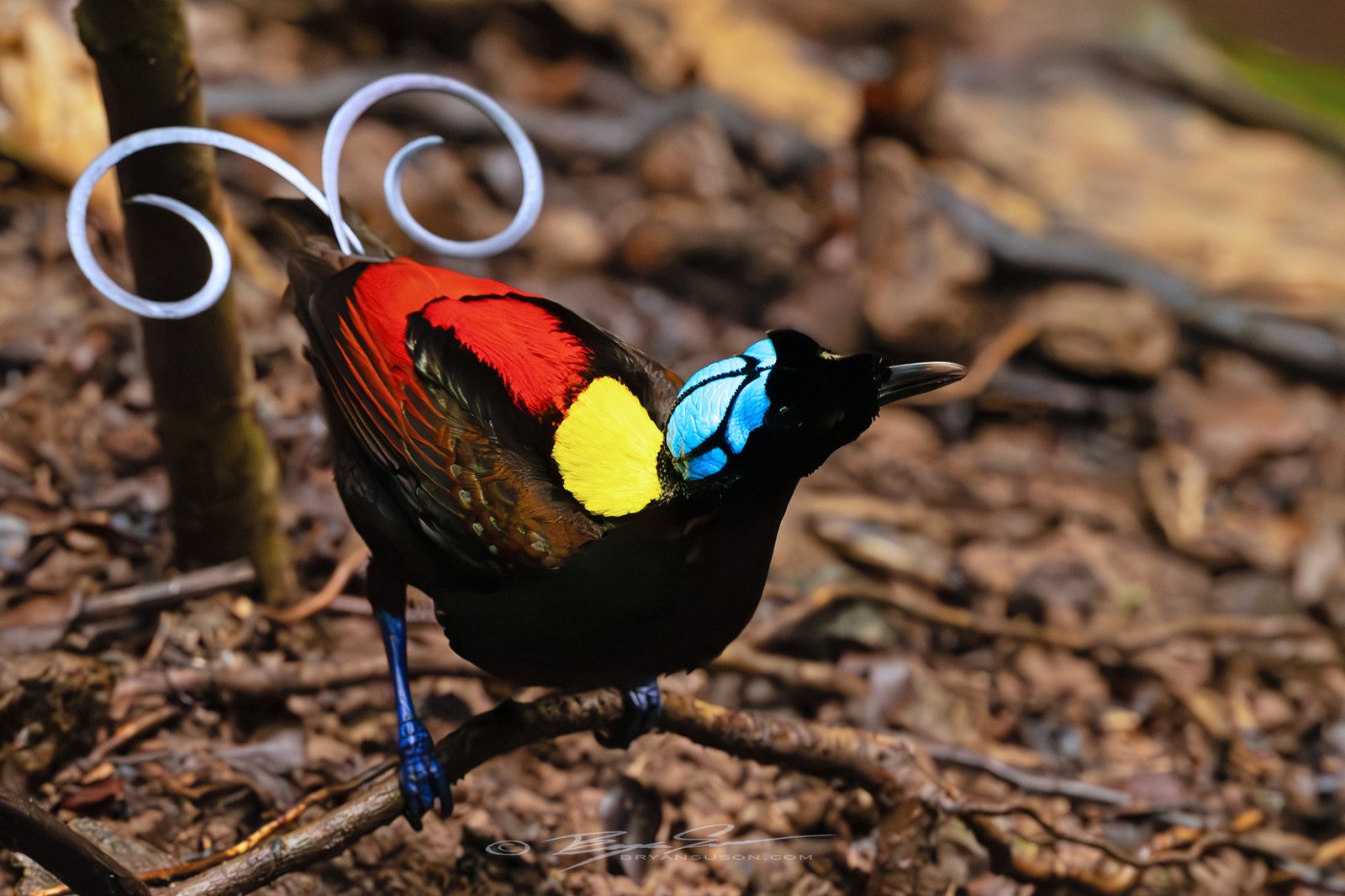
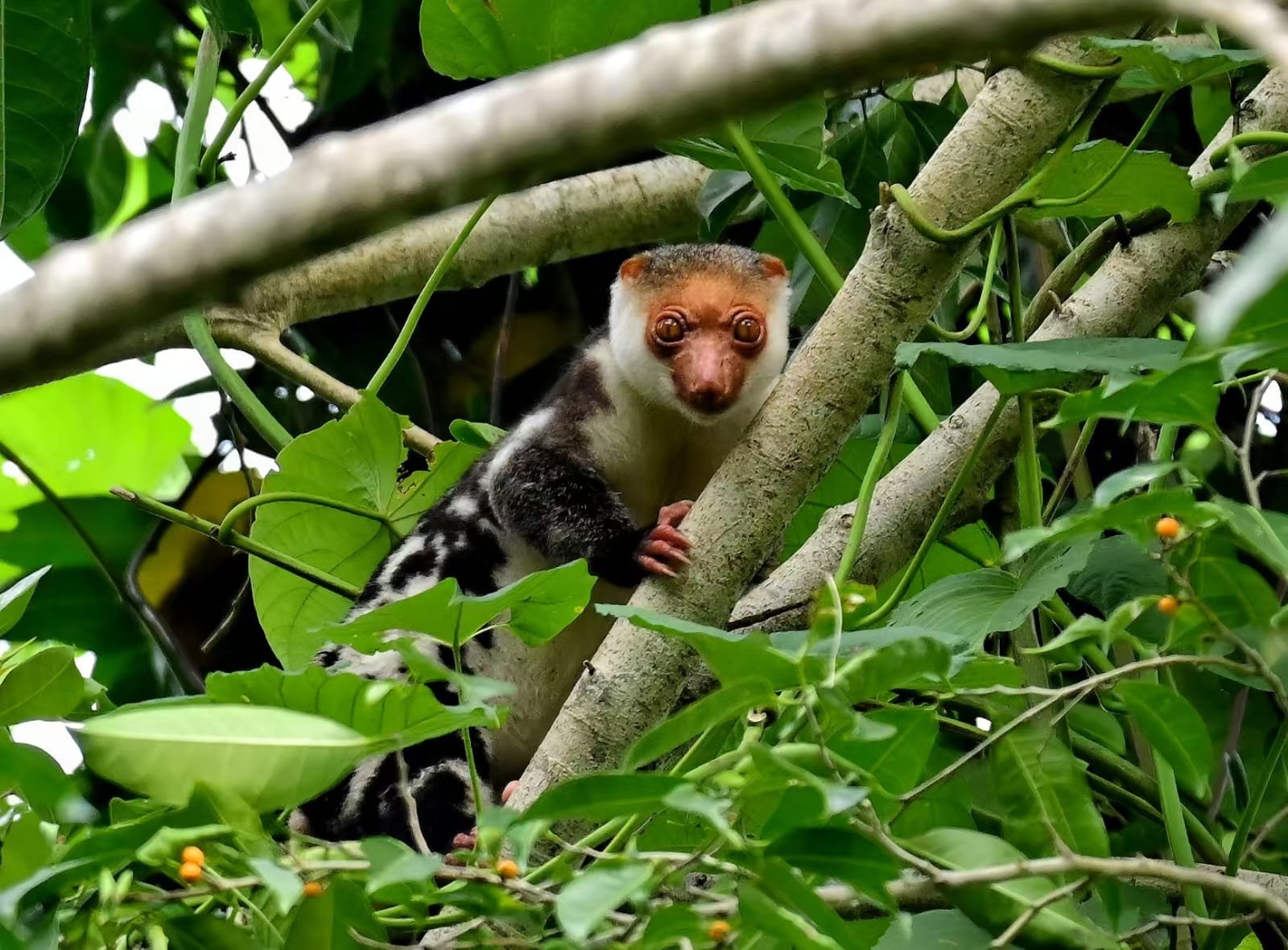
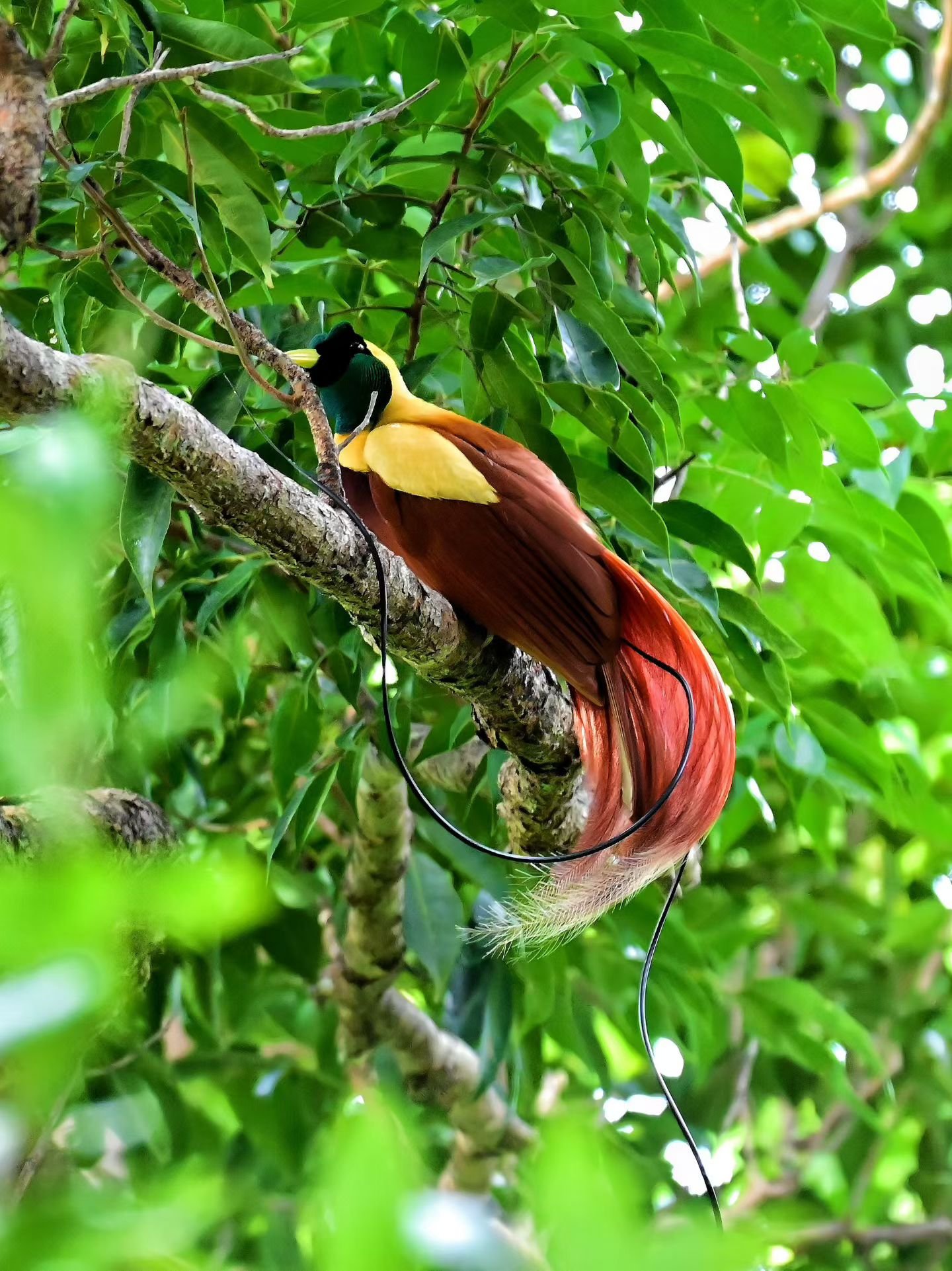
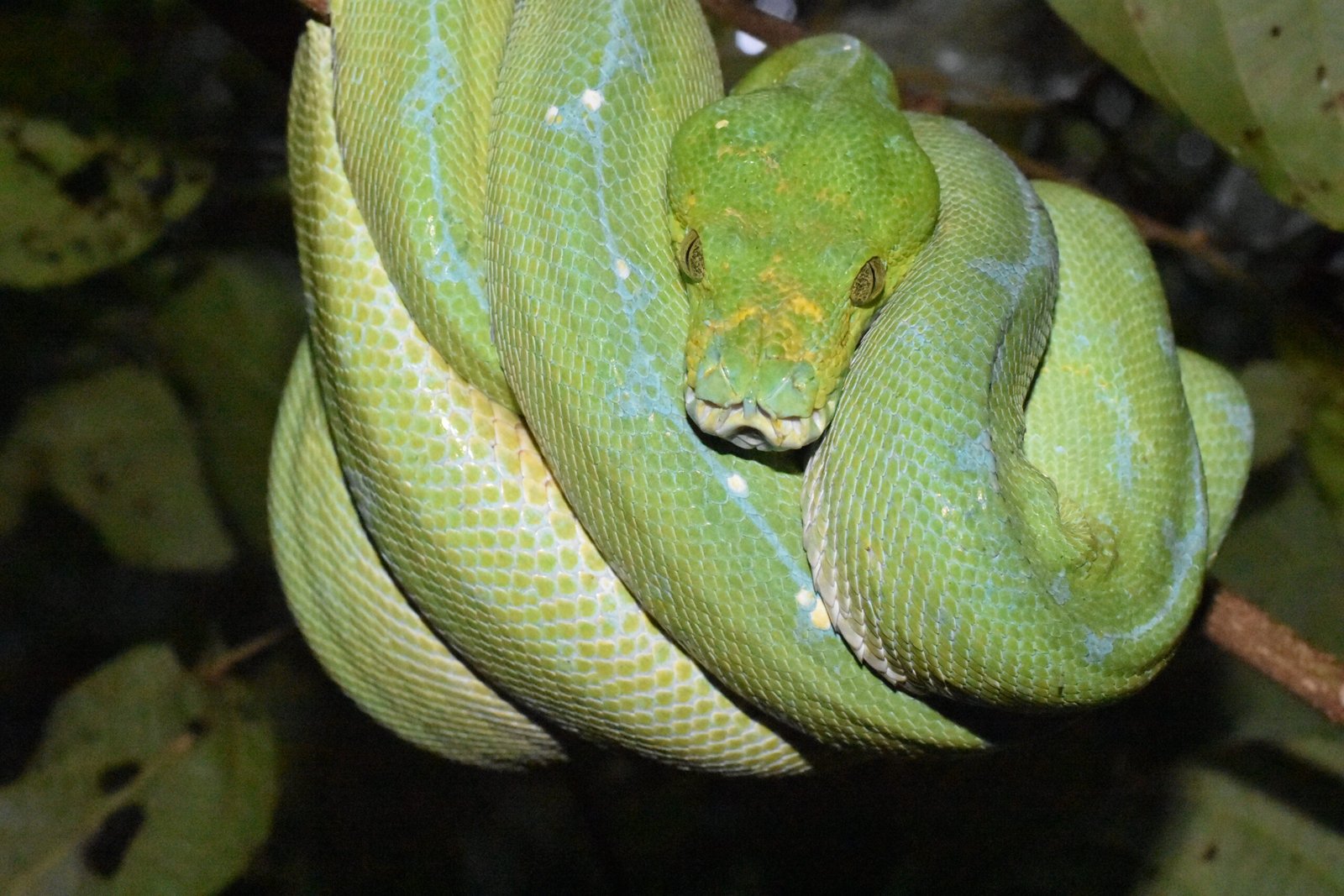
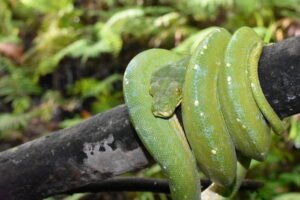
Saporkren offers a different experience, with lush forest trails known for the beautiful Morelia viridis often found resting on low branches. This area is also excellent for spotting Waigeo cuscus, nocturnal geckos, and a variety of frogs. Early morning excursions may reveal the iconic red bird-of-paradise and the highly sought-after Wilson’s bird-of-paradise displaying in the forest.
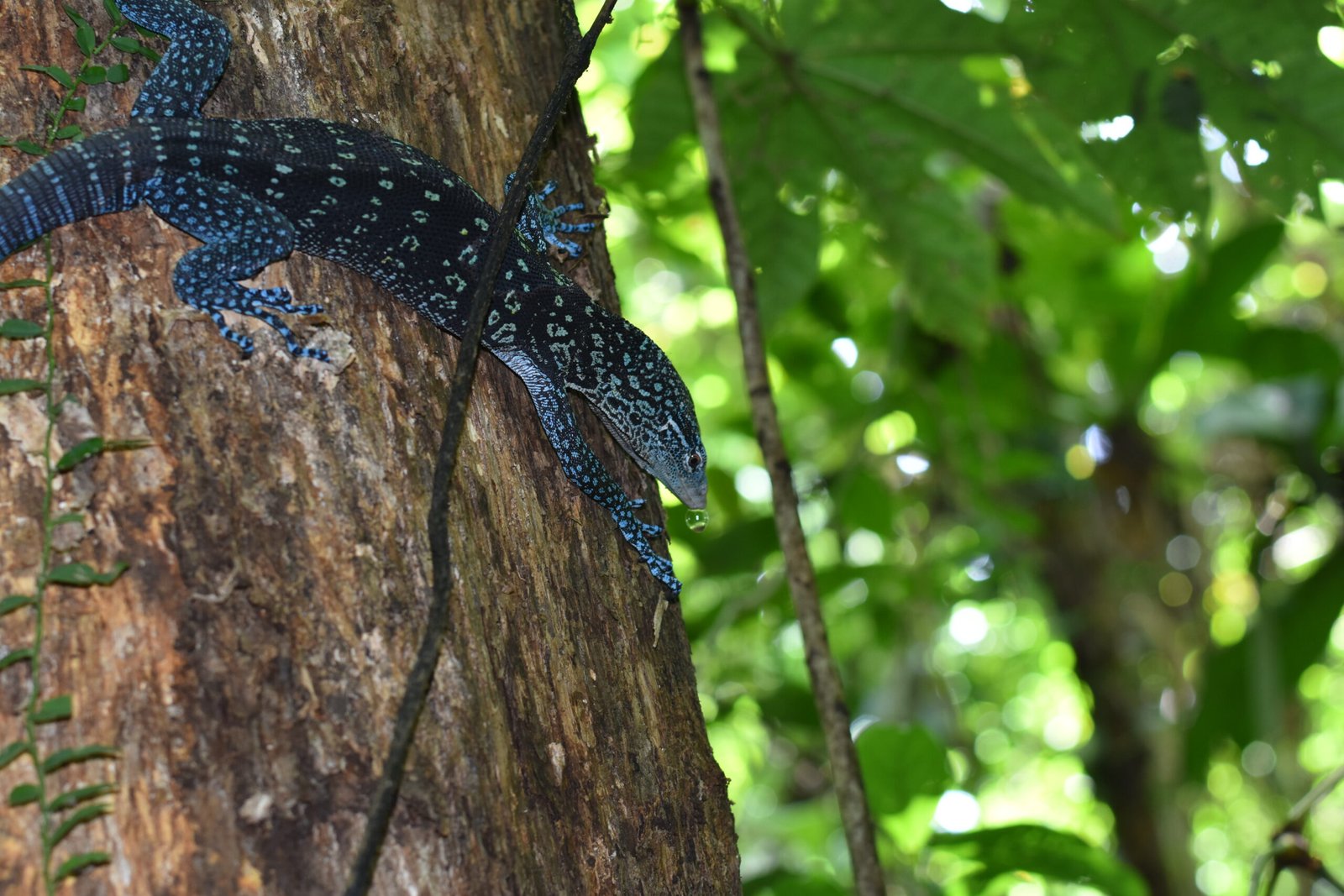
Batanta Island brings a true wilderness feel, where dense rainforest meets rugged coastline. This island is famous for the incredible blue tree monitor, Varanus macraei, one of the most spectacular reptiles in the world. Herping here often produces green tree pythons, colubrid snakes, skinks, and a wide variety of nocturnal amphibians. The isolation of Batanta makes every encounter feel special and unpredictable.
Camping on Batanta adds to the expedition atmosphere. We set up simple camps near quiet beaches, where the forest begins just steps away. After night herping, the sound of waves replaces the jungle chorus. During the day, guests can snorkel coral reefs, fish along the shoreline, or simply relax before heading back into the forest for another night of wildlife searching.
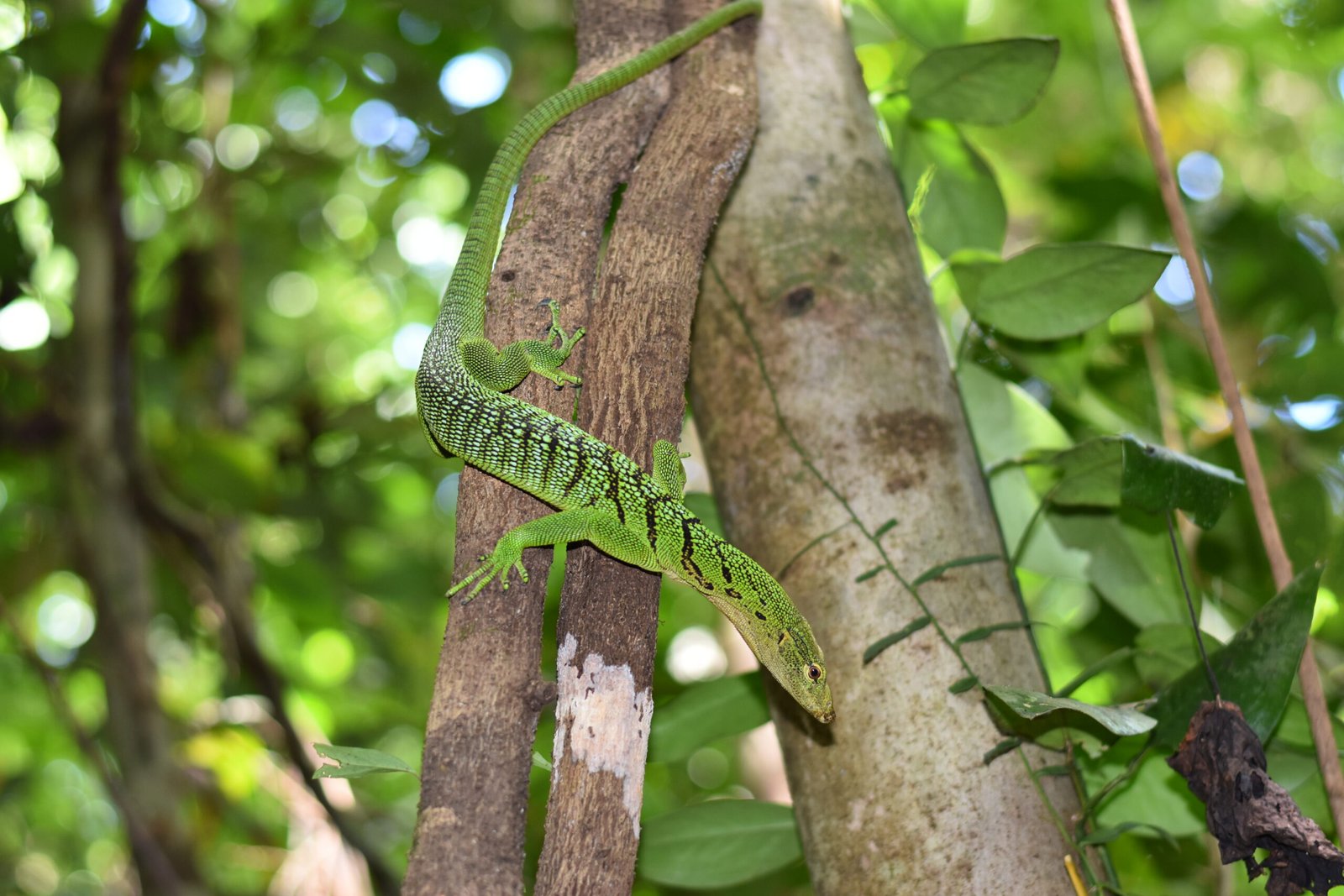
Salawati Island completes the expedition with excellent lowland rainforest herping. This island is known for the emerald tree monitor, Varanus prasinus, along with green tree pythons, tree frogs, and a diversity of smaller reptiles. The wetter forest conditions also make Salawati particularly good for amphibians, with many species active after rain.
Salawati is also rewarding for birdlife, including the spectacular king bird-of-paradise and other endemic species. Combined with remote camping, island transfers, and nightly wildlife searches, this expedition offers an immersive experience deep in the wild heart of Papua perfect for herpers, wildlife photographers, and adventurers seeking rare species in truly untouched habitats.