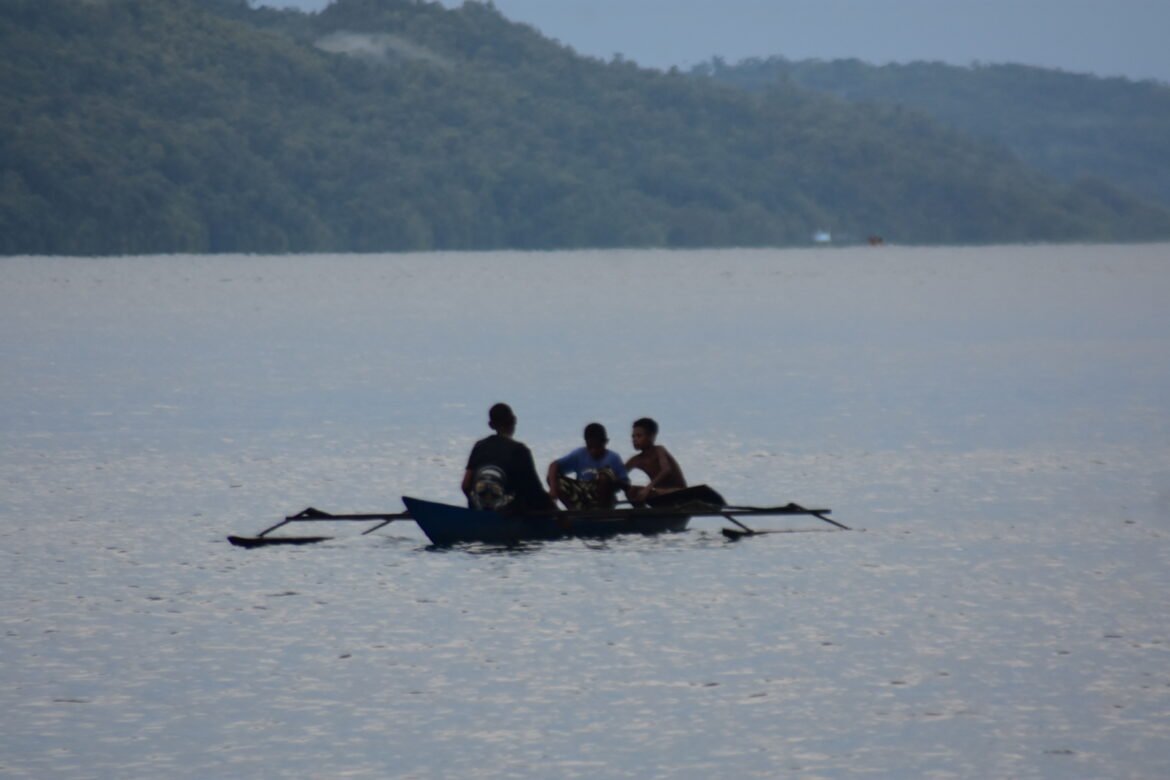
Introduction to Tambarauw’s Ecosystem
Tambarauw, a picturesque region located in West Papua, Indonesia, is renowned for its remarkable biodiversity and ecological richness. Situated at the heart of New Guinea, Tambarauw is characterized by a unique geographical landscape that includes towering mountains, lush rainforests, extensive wetlands, and dynamic mangrove ecosystems. This extensive variation in topography and climate has created a mosaic of habitats that support an intriguing array of flora and fauna, making it one of the most significant biodiversity hotspots in the world.
The rainforests of Tambarauw are particularly exceptional, housing an array of species, many of which are endemic to the region. These forests are lush with towering trees, dense undergrowth, and a wealth of life that ranges from vibrant birds to elusive mammals. The interplay between these ecosystems fosters a delicate balance that promotes not only wildlife health but also climate regulation and soil preservation. Additionally, the wetlands and mangrove forests play a fundamental role in the local ecosystem, providing crucial breeding grounds for various aquatic species and serving as buffers against coastal erosion.
Moreover, Tambarauw’s ecosystems contribute significantly to the cultural and economic foundations of local communities. The indigenous people of the region, who have historically depended on these natural resources for their livelihoods, possess profound knowledge of their environment. This intimate connection between the residents and their surroundings highlights the importance of sustainable practices and conservation efforts in preserving Tambarauw’s rich biodiversity.
As we delve deeper into the intricate web of life that exists in Tambarauw, it becomes increasingly clear that protecting its ecosystems is not just an environmental concern but a matter of social and cultural importance as well. Understanding the unique characteristics of this region emphasizes the need for concerted efforts in biodiversity conservation, setting the stage for a thorough exploration of its wildlife and ecosystems.
Flora and Fauna of Tambarauw
The Tambarauw region of West Papua, Indonesia, is a haven for biodiversity, characterized by a variety of plant species and a rich assortment of wildlife. The dense forests of Tambarauw host over 1,800 recorded plant species, many of which are endemic and unique to this area. Among these species, the impressive Papua paperbark tree and the vibrant orchids attract botanists and nature enthusiasts alike, emphasizing the importance of preserving these habitats. The diverse plant life not only contributes to the visual tapestry of the forest but also plays a crucial role in supporting the ecosystem.
Inextricably linked to the flora is the region’s fauna, which includes an array of mammals, birds, reptiles, and insects. The forests are home to various intriguing animal species such as the endemic Birds of Paradise, which display extraordinary plumage and intricate mating dances. Their existence underscores the vital role of specific habitats that provide necessary resources for breeding and survival. Furthermore, the intricate relationships among species in Tambarauw highlight the interdependence of flora and fauna; for instance, many birds aid in pollination and seed dispersal, thereby fostering plant reproduction.
Additionally, Tambarauw plays a significant ecological role as it serves as a critical habitat for numerous threatened and endemic species. The orangutan, a resident of this region, reflects the importance of conservation efforts within Tambarauw, as their survival hinges on the health of their habitat. Protecting the rich flora and fauna of this area is essential not only for the local ecology but also for global biodiversity. The collaborative interaction between plants and animals forms the foundation of a resilient ecosystem in Tambarauw, enabling it to adapt and thrive in the face of environmental changes.
Threats to Tambarauw’s Forests and Wildlife
The forests of Tambarauw, located in West Papua, Indonesia, are a vital component of the region’s ecology, supporting diverse wildlife and unique plant species. However, these rich ecosystems are facing numerous threats that compromise both biodiversity and the livelihoods of local communities.
One of the most significant concerns is illegal logging, which severely depletes forest resources. By extracting timber without regulation, illegal operations disrupt the habitat of various species, including endemic birds and mammals. Such activities not only result in loss of trees but also lead to fragmentation of habitats, making it increasingly difficult for wildlife populations to thrive and reproduce.
Alongside illegal logging, habitat destruction is exacerbated by agricultural expansion and infrastructure development. As land is converted for farming or urbanization, vital green spaces are lost, further endangering species that rely on these habitats for survival. The encroachment of human activities into forest areas often leads to increased human-wildlife conflict, putting both animals and local communities at risk.
Moreover, climate change presents a looming threat to the forests and wildlife of Tambarauw. Rising temperatures and altered precipitation patterns can disrupt plant growth and animal migration patterns, challenging the resilience of local ecosystems. The effects of climate change can be particularly detrimental to vulnerable species that are already facing pressures from habitat loss and hunting.
The urgency of conservation efforts cannot be overstated. It is crucial for local and international stakeholders to prioritize the protection of Tambarauw’s forests and wildlife. Implementing sustainable practices, enforcing laws against illegal logging, and promoting community-based conservation initiatives can collectively contribute to preserving this invaluable natural heritage for future generations.
Conservation Efforts and Opportunities for Ecotourism
Tambarauw, West Papua, is home to some of the world’s most diverse ecosystems, making its conservation a crucial priority. Current conservation initiatives in the region focus on protecting its unique habitats and species, particularly the endemic flora and fauna that face threats from climate change and human activities. Organizations such as the Indonesian Nature Conservation Agency and local NGOs are actively engaged in protecting this rich biodiversity through various strategies, including habitat restoration, wildlife monitoring, and community education. These efforts aim to mitigate human impact on local ecosystems while fostering a sustainable relationship between the residents and their natural surroundings.
Moreover, there is a growing recognition of ecotourism as a vital component of conservation initiatives. By engaging visitors and raising awareness about the importance of preserving Tambarauw’s ecosystems, ecotourism can generate essential funds that support local conservation projects. Sustainable tourism practices enable travelers to experience the region’s breathtaking landscapes and unique wildlife while contributing economically to local communities. Initiatives such as guided nature walks, birdwatching tours, and wildlife photography excursions are excellent ways to engage travelers in ecotourism while promoting conservation efforts.
For example, local tour operators collaborate with conservationists to design tours that incorporate educational components, providing visitors with insights into the ecological significance of the area. By learning about the challenges faced by local species and ecosystems, tourists can become advocates for conservation and take that message back to their communities. Furthermore, visitors are often encouraged to partake in volunteer activities that enhance conservation outcomes, such as tree planting or wildlife monitoring projects.
In essence, through effective conservation initiatives and a vibrant ecotourism framework, Tambarauw can enhance its environmental protection efforts while offering visitors a meaningful way to connect with the unique natural heritage of this extraordinary region.
Leave a Reply