Introduction to Waigeo Island
Waigeo Island, an integral part of Indonesia’s Raja Ampat archipelago, is located within the Coral Triangle, an area renowned for its extraordinary marine biodiversity. This enchanting island, situated off the northwest coast of New Guinea, covers approximately 3,136 square kilometers, characterized by its stunning landscapes, including rugged hills, dense rainforests, and pristine beaches. Waigeo holds significant ecological importance, serving as a vital habitat for various flora and fauna, many of which are endemic to the region.
The biodiversity of Waigeo Island is exceptional, making it an important site for conservation efforts. This island harbors a unique array of wildlife, including a rich variety of bird species that attract ornithologists and nature enthusiasts from around the globe. Notable among these is the endemic red bird of paradise, which epitomizes the island’s rich avian diversity. Birdwatchers visiting Waigeo can encounter over 300 bird species, offering an unparalleled opportunity to observe both common and rare birds in their natural habitats.
In addition to its avian attractions, Waigeo’s terrestrial ecosystems are equally impressive. The lush rainforests teem with life, featuring vibrant plant species and supporting various mammals, reptiles, and insects. This diverse ecosystem is not only crucial for wildlife but also provides essential resources for local communities. The pristine environments found on Waigeo are instrumental in maintaining ecological balance, serving as critical shelters for countless species while offering an idyllic setting for eco-tourists seeking immersive experiences in nature.
Waigeo Island’s unique geography and vibrant ecosystem underscore its significance as a prime destination for bird and nature enthusiasts. With breathtaking scenery and remarkable wildlife, it is a paradise waiting to be explored, promising unforgettable encounters in the heart of one of the world’s most biodiverse regions.
The Captivating Mating Ritual of Birds of Paradise
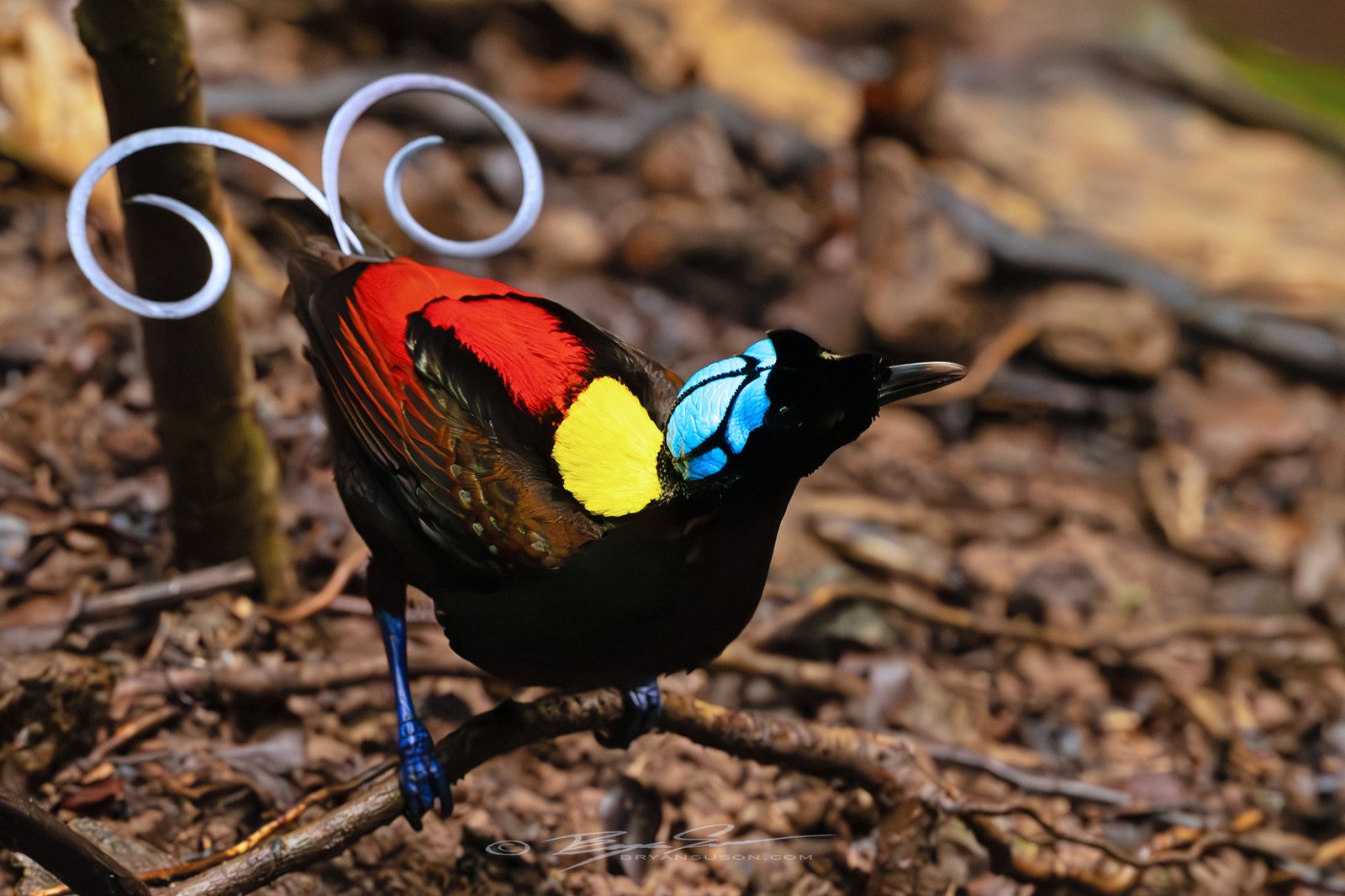
The Birds of Paradise, particularly the iconic red and Wilson’s species, are renowned for their elaborate and fascinating mating rituals. These rituals are not only a display of physical prowess but also serve a crucial role in the continuation of their species. Male birds engage in an intricate dance, showcasing their vibrant plumage and flamboyant movements to captivate potential mates. The vivid colors of their feathers, ranging from bright reds to deep blues, are strategically highlighted as they perform their courtship displays, drawing attention from willing partners.
During these ceremonies, males often compete fiercely for the attention of females. The ritual can involve complex sequences of movements, including flapping, hopping, and turning, all designed to display their fitness and vitality. These captivating performances may vary between species, with Wilson’s birds of paradise, for example, known for their dazzling aerial maneuvers, while red birds emphasize their striking coloration and intricate footwork. This competition not only enhances their chances of mating but also plays a vital role in the natural selection process, as females are more likely to choose mates that exhibit more elaborate and successful displays.
For visitors eager to witness these breathtaking spectacles, timing and location are crucial. The mating season, typically occurring during the early morning hours, is when these stunning displays are most prominent. Observing these rituals can be a rewarding experience, best enjoyed in areas where the populations of these birds thrive, such as the lush forests of Waigeo. Employing patience and a keen eye can yield remarkable results for nature enthusiasts and birdwatchers keen to appreciate the intricate beauty of these mating rituals. Ultimately, understanding the significance of these displays enhances the appreciation of the magnificent Birds of Paradise and their role in sustaining biodiversity.
Rare Reptiles and Nighttime Encounters
Waigeo Island is not only a haven for birds but also a sanctuary for unique reptile species that contribute significantly to its ecological diversity. Among these reptiles, the Varanus boehmei stands out due to its rarity and specialized habitat. This monitor lizard, endemic to the island, plays a crucial role in the local ecosystem, influencing both prey and predator dynamics. Recognized for its distinctive coloration and size, Varanus boehmei exemplifies the evolutionary adaptations that arise in isolated environments. Engaging in conservation efforts for this species is vital to preserving its natural habitat and preventing its possible extinction.
Another fascinating reptile on Waigeo is the green tree python, a species well-adapted to the island’s lush surroundings. Known for its vibrant green coloration, this snake can often be found coiled upon branches in the rainforest, perfectly camouflaged against the foliage. The green tree python is primarily nocturnal, which adds an element of mystery to wildlife excursions on the island. Observing their hunting behaviors can be particularly captivating during nighttime walks, as these snakes ambush prey from their arboreal perches.
Nighttime excursions not only provide an opportunity to witness the green tree python in action but also facilitate encounters with other reptilian inhabitants of Waigeo. Exploring the island under the cover of darkness allows enthusiasts to appreciate the unique adaptations these species exhibit. However, as visitors relish in these experiences, it is imperative to remember the importance of conservation. Protecting the delicate habitats of both Varanus boehmei and the green tree python is essential to ensuring their survival and maintaining the island’s biodiversity. A commitment to responsible wildlife viewing and environmental conservation is crucial for preserving Waigeo’s extraordinary natural legacy.
Planning Your Visit to Waigeo Island
Waigeo Island, part of Indonesia’s stunning Raja Ampat archipelago, is a haven for bird watchers and nature lovers alike. To ensure a memorable experience, it is crucial to plan your visit carefully. The island is accessible by boat or flight, with the nearest airports located in Sorong. From Sorong, travelers can board a speedboat or a ferry to reach Waigeo Island, which typically takes about two to three hours. It is advisable to check the schedules in advance, as ferry services can vary depending on the season.
The best time to visit Waigeo Island for wildlife observation is during the dry season, which generally runs from October to April. During this period, the weather is more conducive for outdoor activities, and the visibility for birdwatching is greatly enhanced. Visitors can expect to see a variety of endemic species, including the iconic Wilson’s Bird-of-Paradise and the Red Bird-of-Paradise, particularly during the early hours of the morning when birds are most active.
When planning your itinerary, consider participating in guided tours that cater to bird and nature enthusiasts. These tours not only maximize your chances of spotting wildlife but also provide valuable insights into the local ecosystem and conservation efforts. Local guides are well-versed in the best observation practices and are passionate about sharing their knowledge of Waigeo’s rich biodiversity.
Respecting the natural habitats while observing wildlife is paramount. Visitors are encouraged to maintain a safe and respectful distance from the animals, avoid littering, and follow any specific guidelines provided by tour operators. This way, future generations can also enjoy the natural splendor of Waigeo. For those interested in arranging visits or tours, contacting local eco-tourism operators can provide further assistance in planning your adventure seamlessly.
Leave a Reply